
Free Shipping on Most Orders Over $30

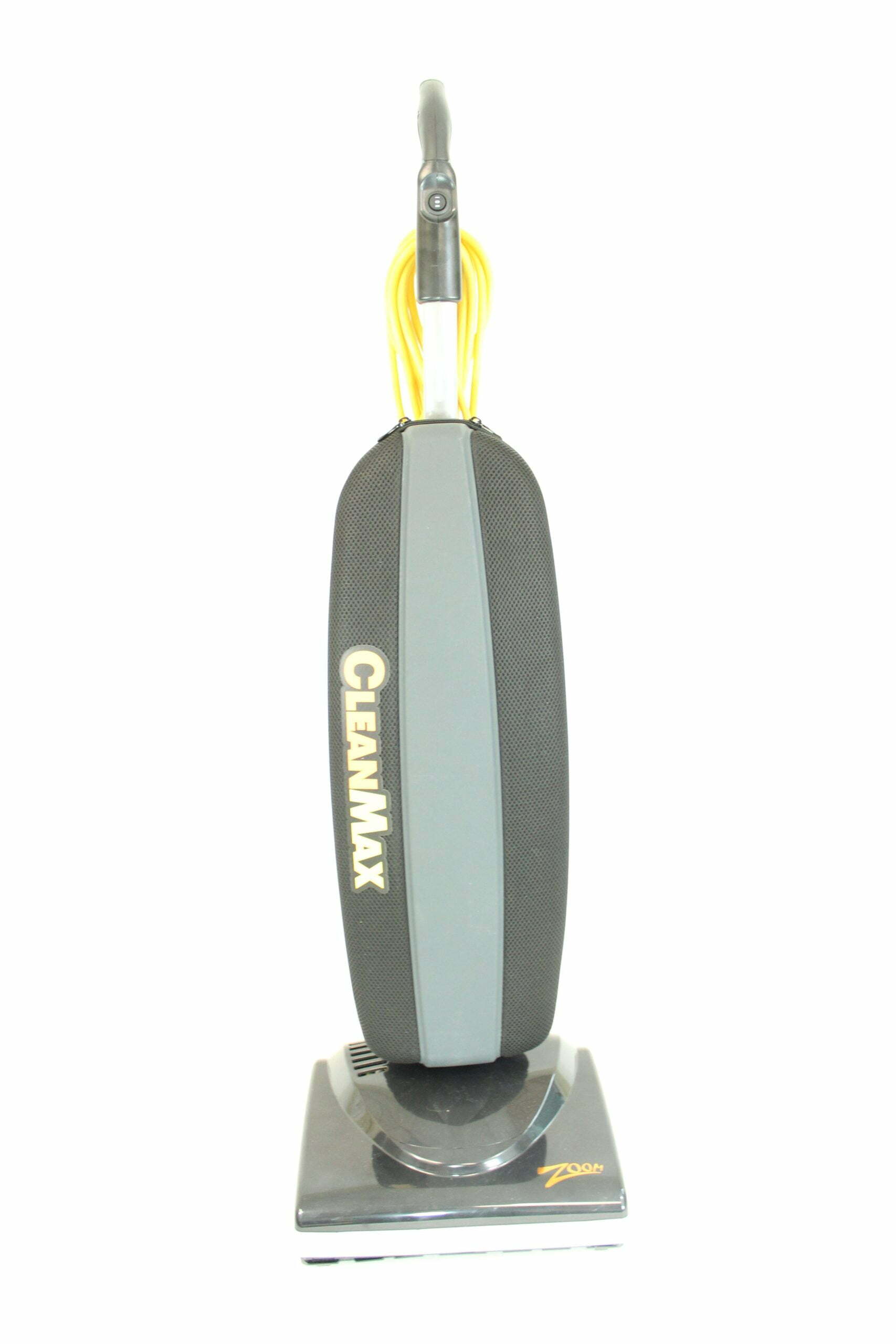
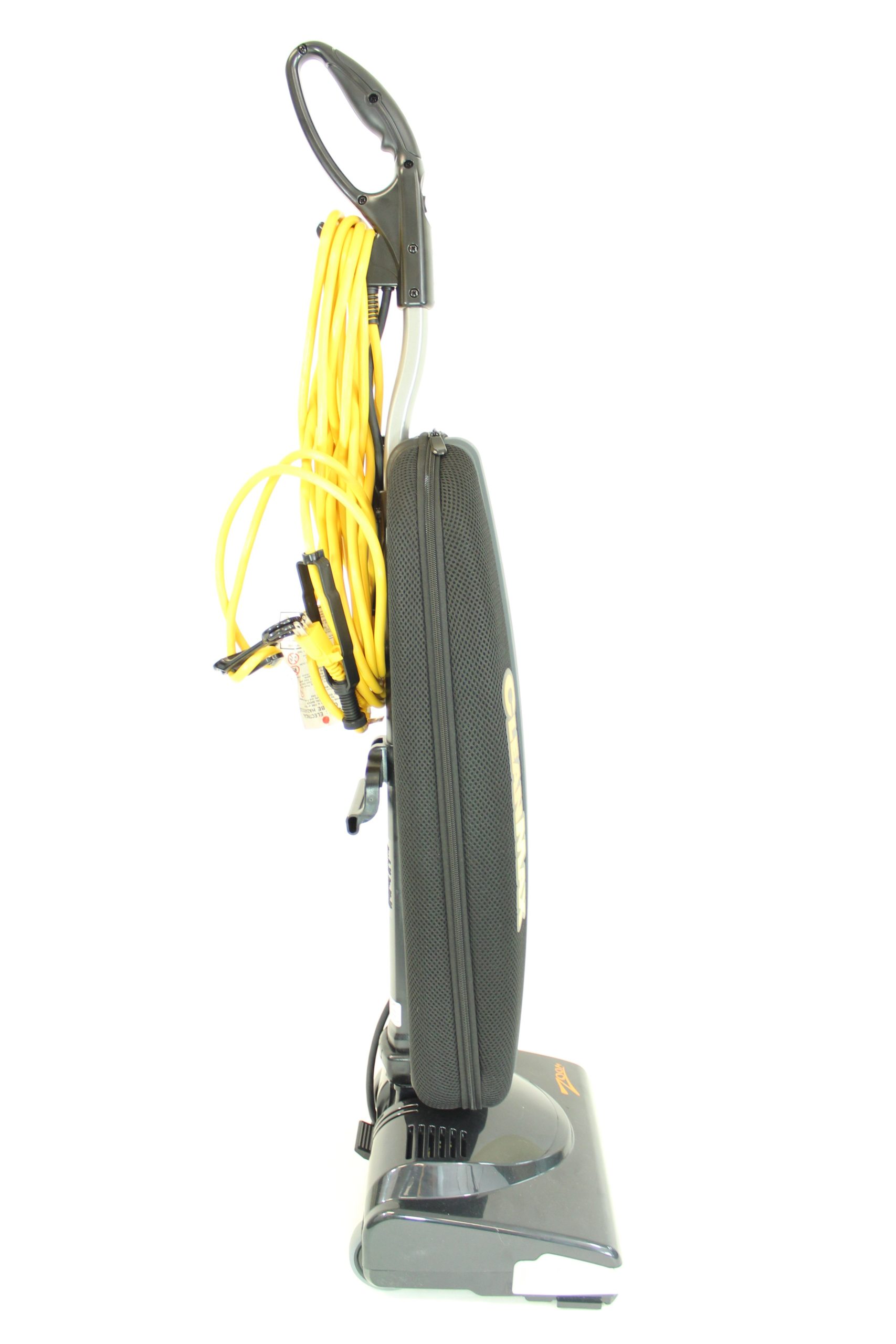
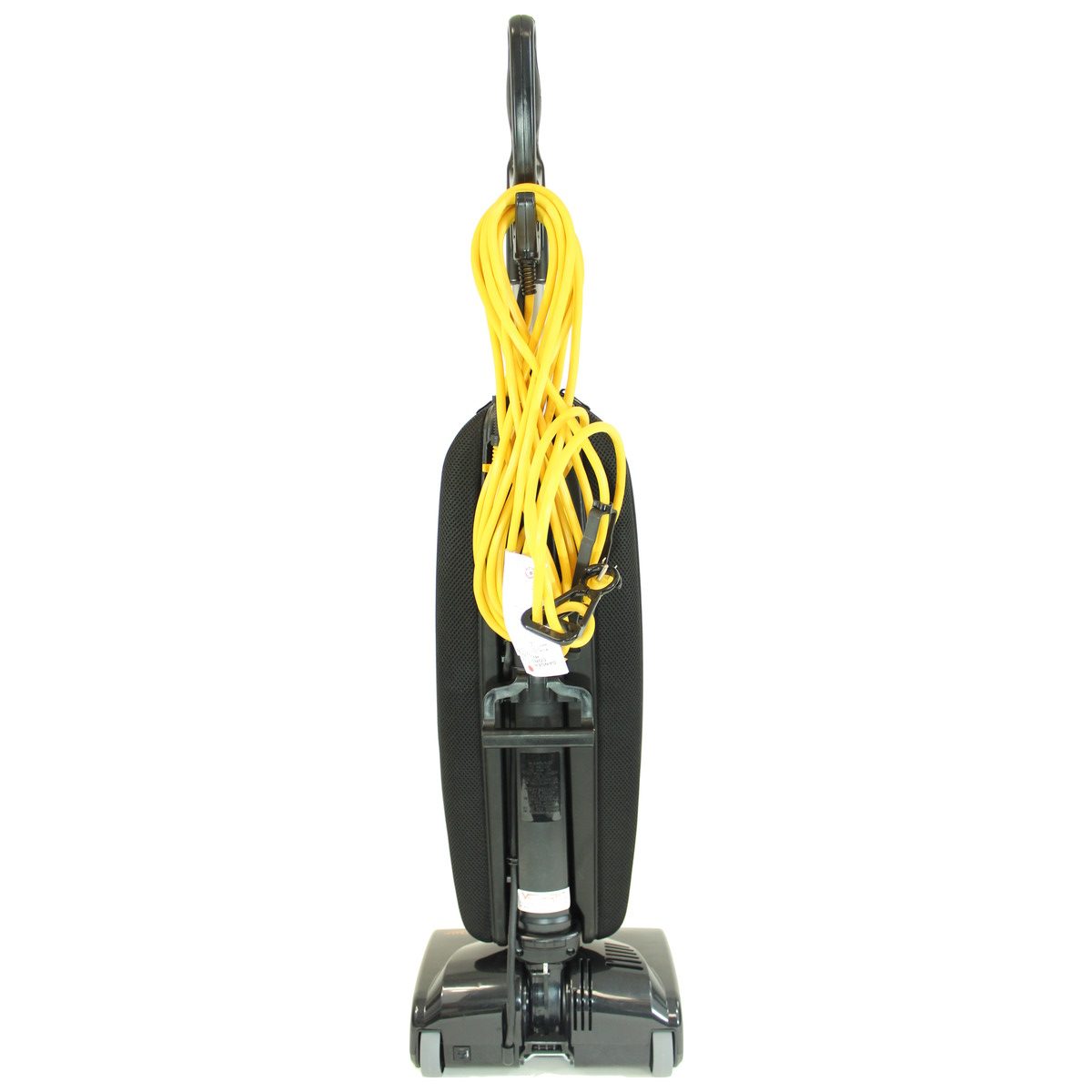
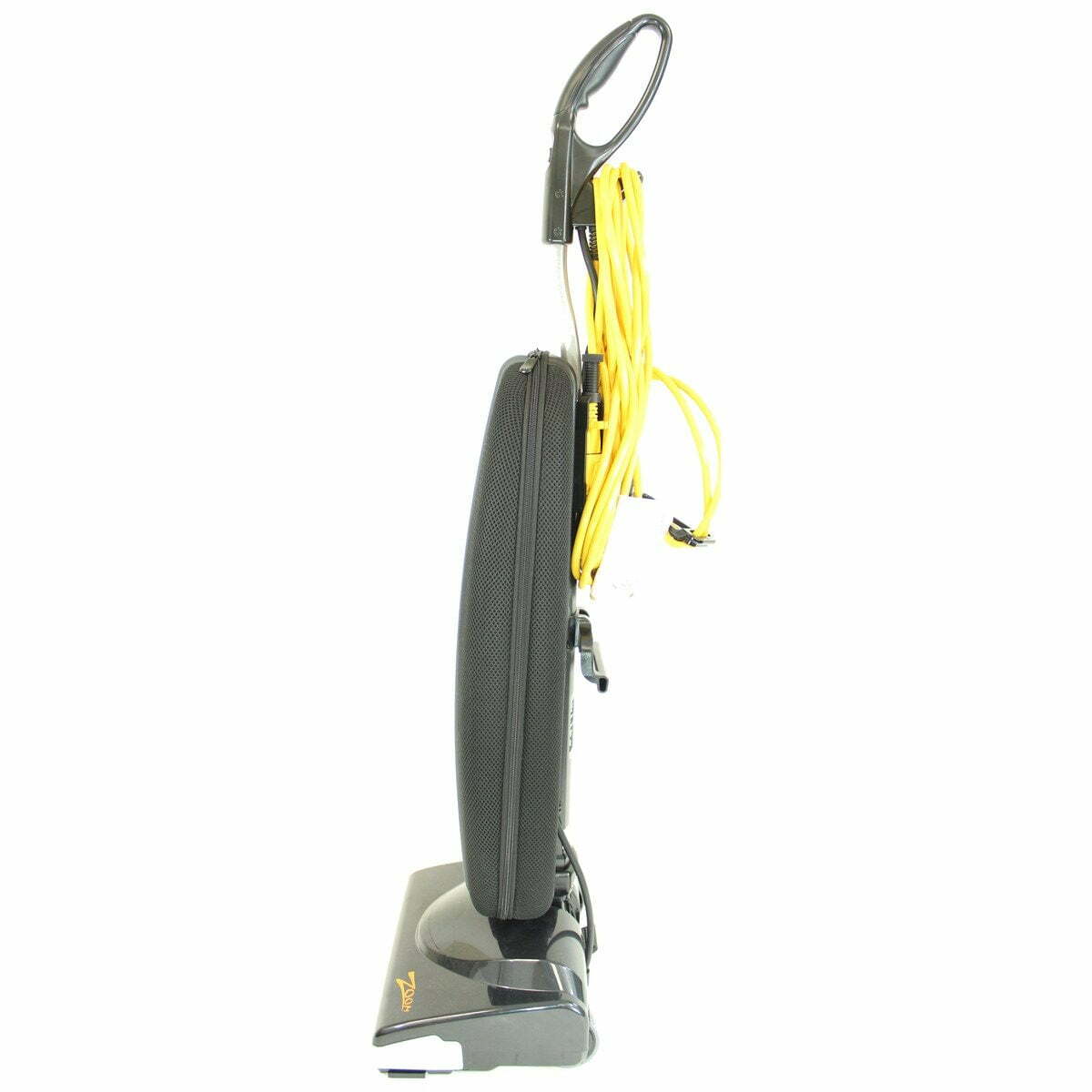
CleanMax Zoom Hardshell 9lb Upright 5.5 Amp 2 Speed Motor

$499.99 Free Shipping

WE MEET OR BEAT ALL AUTHORIZED DEALER’S PRICING!!

SKU: CLNZM500
Availability:

In stock


CleanMax Zoom Hardshell 9lb Upright 5.5 Amp 2 Speed Motor review

OverallWe are still gathering the data a fair overall rating needs. The star appears once enough of the framework is backed by evidence.10% of the framework is backed by data so far
ValueValue asks what a year of owning this machine costs, and how good that year is. We take the price you see and spread it over how long we expect the machine to last, so one built to run for decades costs far less per year than one that wears out fast. How long it lasts sets how many years you get; the machine's other qualities, everything we rate apart from how long it lasts, set how good each of those years is. We compare that quality per year against every machine we rate, so the price, the expected lifespan, and the rest of the ratings are all things you can check for yourself.Not enough data yet

See the model numbers this machine is sold under, with prices and availability, below the product description.

  • PerformanceWhat it is. Overall Performance of a machine across various surfaces. Why it matters. Performance determines whether a vacuum actually pulls dirt out of carpet fibers or just pushes it around, which is the entire point of owning one. Weak suction and poor filtration leave allergens, dust, and pet dander behind, which matters a lot for anyone dealing with allergies or asthma. Strong performance also saves time and effort, since you're not making repeated passes over the same spot.Not enough data yet
    • Airflow @ Cleaner HeadWhat it is. Cubic feet per minute of air the vacuum moves at the cleaner head. Why it matters. Airflow determines how much air the vacuum can move through the cleaner head, which is what actually carries dirt and debris away from the surface and into the bag or canister. This measurement taken at the cleaner head is important because that is where the work is actually done. Often a unit can have a high air flow motor but the design is "leaky" so much less air flow makes it to the floor. Suction alone isn't enough; without adequate airflow, even a vacuum with high suction rating can struggle to lift larger debris or maintain performance as the bag fills or filters load up. This is why CFM is often a better real-world indicator of cleaning power than sealed suction ratings alone, especially for picking up bulkier debris rather than just fine dust.Not enough data yet
    • Airflow @ HoseWhat it is. Cubic feet per minute of air the vacuum moves from the end of the hose. Why it matters. Airflow determines how much air the vacuum can move, which is what actually carries dirt and debris away from the surface and into the bag or canister. This measurement taken at the end of the hose and matters for "above the floor" cleaning with hose and tools. Suction alone isn't enough; without adequate airflow, even a vacuum with high suction rating can struggle to lift larger debris or maintain performance as the bag fills or filters load up. This is why CFM is often a better real-world indicator of cleaning power than sealed suction ratings alone, especially for picking up bulkier debris rather than just fine dust.Not enough data yet
    • Suction @ Cleaner HeadWhat it is. Suction is measure as water lift expressed in inches, based on how high the vacuum's motor can pull a column of water up a sealed tube. This measurement is taken at the cleaner head. Why it matters. Suction matters to you because it indicates how well a vacuum will perform on demanding surfaces like deep pile carpet, where dirt is embedded deep in the fibers and needs real pulling power to get out. It also affects how well the vacuum maintains performance over time, since suction helps compensate for the natural airflow loss that happens as a bag fills or a filter gets dirty. Ultimately, suction paired with good airflow gives the clearest picture of how a vacuum will actually perform in a real home rather than just on paper. This measurement taken at the cleaner head is important because that is where the work is actually done. Often a unit can have a high water lift motor but the design is "leaky" so much less suction is measured at the floor.Not enough data yet
    • Suction @ HoseWhat it is. Suction is measure as water lift expressed in inches, based on how high the vacuum's motor can pull a column of water up a sealed tube. This measurement is taken at the end of the hose. Why it matters. Suction matters to you because it indicates how well a vacuum will perform on demanding surfaces like deep pile carpet, where dirt is embedded deep in the fibers and needs real pulling power to get out. It also affects how well the vacuum maintains performance over time, since suction helps compensate for the natural airflow loss that happens as a bag fills or a filter gets dirty. Ultimately, suction paired with good airflow gives the clearest picture of how a vacuum will actually perform in a real home rather than just on paper. This measurement taken at the end of the hose and matters for "above the floor" cleaning with hose and tools.Not enough data yet
    • Carpet CleaningWhat it is. Performance on carpet refers to how well a vacuum agitates and lifts dirt embedded deep in carpet fibers, rather than just skimming the surface. Why it matters. This matters to you because carpet traps way more dirt, dust, and allergens than hard floors, so if your vacuum can't deep clean the fibers, that stuff just stays in your home and builds up over time. It also affects how your carpet looks and lasts, since ground-in dirt acts like sandpaper on the fibers, so strong carpet performance keeps your floors cleaner and helps the carpet hold up longer.Not enough data yet
      • Deep Soil RemovalWhat it is. Deep soil removal refers to a vacuum's ability to extract fine, embedded dirt and grit that has worked its way down past the surface fibers to the base of the carpet, not just the debris sitting visibly on top. Achieving this typically requires strong beater brush agitation combined with sufficient suction and airflow to break that soil loose and carry it out. This rating is inherently subjective, and several testing methods exist across the industry. One common approach pours a measured weight of fine test debris onto carpet, vacuums it for a set period, then weighs the debris recovered. Another buries fine debris beneath the carpet, vacuums the surface, then inspects what remains underneath. Our rating reflects a raw star score based on direct review of test footage for each machine and/or extensive comparative testing in store. Why it matters. This matters to you because most of the dirt in your carpet isn't the stuff you can see, it's the fine grit and dust that settles deep down and gets walked in over time. If your vacuum only grabs surface debris, that embedded soil keeps building up, making your carpet look duller and wear out faster since the grit grinds against the fibers with every step. It's also a big deal for air quality and allergies, since deep soil often carries dust mites, allergens, and bacteria that stay trapped until something actually pulls them out. Ultimately, deep soil removal is one of the best real-world tests of a vacuum's true cleaning power, since it's harder to fake with marketing specs than surface pickup is.Not enough data yet
      • Brush RPMWhat it is. Brush roll RPM is how fast the rotating brush spins, measured in revolutions per minute. Why it matters. This matters because higher RPM means more aggressive agitation, breaking loose deep grit and tangled pet hair that suction alone can't pull out. Without enough brush speed, a vacuum glides over carpet without disturbing the fibers, leaving dirt and hair behind. The right RPM paired with good suction is what actually lifts debris out of carpet, not just off the surface.Not enough data yet
      • Pet Hair PickupWhat it is. Pet hair removal refers to a vacuum's ability to pull embedded pet hair out of carpet fibers and off upholstery, rather than just pushing it around or leaving it tangled at the surface. Performance here depends heavily on brush roll design, suction, and how well the vacuum resists hair wrapping around the brush itself during use. Testing methodology is harder to standardize than other categories because hair test material is too lightweight for weight based comparison. Instead, testing generally involves applying a controlled quantity of synthetic test hair to a surface, vacuuming separate sections with different machines, then comparing the results visually side by side. Our rating reflects a raw star score based on direct review of test footage for each machine and/or extensive comparative testing in store. Why it matters. This matters to you because pet hair works its way deep into carpet and fabric in a way that's genuinely hard to remove by hand, so a vacuum that can't handle it means constant visible hair no matter how often you clean. Poor pet hair removal also means more allergens in the air, since pet dander clings to that hair and gets stirred up every time you walk across the room. It affects how much time you spend maintaining the vacuum too, since brush rolls that tangle badly with hair need to be cut out and cleaned constantly, which is a hassle nobody wants. A vacuum that genuinely handles pet hair well saves you time, keeps your home looking cleaner, and cuts down on the allergens circulating from pet dander.Not enough data yet
    • Bare floorWhat it is. Bare floor pickup refers to a vacuum's ability to collect fine dust, debris, and larger particles off hard surfaces like wood, tile, or laminate, without scattering it or leaving streaks behind. Performance here depends on proper suction control, brush roll design or shut off capability, and how well the vacuum seals against the floor to prevent debris from blowing out the sides. This test is highly subjective, as it accounts for multiple practical factors such as whether the vacuum pushes debris around instead of collecting it, or leaves fine and large particles behind. Our rating reflects a star score based on observed semi controlled testing. Why it matters. This matters to you because hard floors show dirt and dust much more visibly than carpet, so poor pickup means you're left looking at streaks, scattered debris, or fine grit even right after vacuuming. A vacuum that blasts air out the sides instead of pulling debris in can actually push dirt into corners or under furniture rather than picking it up. It also matters for scratch prevention, since a vacuum designed well for hard floors won't grind grit into the surface the way a poorly suited one might. Good bare floor performance means less follow-up sweeping or mopping, saving you time and keeping your floors looking genuinely clean rather than just superficially tidied up.Not enough data yet
    • Filtration and air qualityWhat it is. Filtration is a vacuum's ability to trap fine dust, allergens, and pet dander inside the machine instead of releasing it back into the air. Why it matters. Filtration is a vacuum's ability to trap fine dust, allergens, and pet dander inside the machine instead of releasing it back into the air.Not enough data yet
    • Edge CleaningWhat it is. Edge cleaning is a vacuum's ability to pick up dirt and debris along walls, baseboards, and corners where brush rolls typically can't reach. Why it matters. This matters to you because dirt and dust naturally collect along edges and baseboards, and a vacuum that misses them leaves visible buildup even after a full cleaning pass. Good edge cleaning cuts down on the need for separate spot cleaning or hand sweeping in corners. It also keeps baseboards and room edges looking consistently clean, rather than showing a ring of dust that stands out against the rest of the floor.Not enough data yet
  • Ease of useWhat it is. Ease of use refers to how simple and comfortable a vacuum is to actually operate day to day, covering things like weight, maneuverability, how easily it switches between floor types, and how simple it is to empty, change filters, or swap attachments. It's about how much effort and hassle the machine adds to a basic chore, since a vacuum that's awkward to push, hard to empty, or confusing to maintain gets used less and resented more, even if it cleans well. Why it matters. Ease of use matters because it directly affects whether someone actually enjoys or dreads a chore they have to do regularly. A vacuum that's heavy, hard to maneuver, or a pain to empty tends to get used less often, which means dirtier floors and worse results over time regardless of how powerful the machine is. It also reduces physical strain, which matters a lot for people with back issues, older adults, or anyone vacuuming stairs and tight spaces. Ultimately, a vacuum that's easy to use turns a dreaded task into a quick, low-effort routine, which is often what keeps people happy with their purchase long after the sale.Not enough data yet
    • Tool EfficacyWhat it is. Tool efficacy is how well a vacuum's attachments, like crevice tools, upholstery brushes, and dusting brushes, actually perform the specific jobs they're designed for. Why it matters. This matters to you because attachments are often the only way to clean stairs, furniture, vents, and tight spaces, so weak tools leave those areas dirtier no matter how well the main unit performs. Well-designed attachments save you time by handling jobs a full-size vacuum body simply can't reach. Poor tool efficacy usually means falling back on hand-cleaning or a separate device, which defeats the purpose of having attachments in the first place.Not enough data yet
    • WeightWhat it is. Weight, as it relates to ease of use, is how heavy a vacuum is to lift, carry, and maneuver during normal cleaning, especially on stairs or when moving between rooms. Why it matters. This matters to you because a heavier vacuum tires you out faster and makes routine cleaning feel like more of a chore, which means you're less likely to do it as often. It's especially important on stairs, where a bulky or heavy machine becomes awkward and even a safety concern to carry up and down. Lighter vacuums also make quick cleanups easier, since you're more willing to grab it for a small mess instead of avoiding the hassle.4.5
      RatingSourceWeight
      4.5 8Manufacturer SpecManufacturer spec
      Manufacturers often publish testing data, performance metrics, and product claims, and we reproduce that information here. Much of it is valuable,… Manufacturers often publish testing data, performance metrics, and product claims, and we reproduce that information here. Much of it is valuable, and some manufacturers document their testing procedures thoroughly. More often, though, the origin of the data and the methodology behind it are not disclosed, which makes the figures difficult to interpret and in some cases unreliable. Published numbers are also frequently measured at the most favorable point on the machine or under ideal conditions that a customer will not replicate. We therefore present manufacturer data as reported, and in the absence of other testing we will rely on it, but we rate its quality low and give substantially more weight to independent testing when compiling reviews.
      1
    • ManeuverabilityWhat it is. Maneuverability is how easily a vacuum turns, swivels, and moves around furniture, tight corners, and obstacles during normal use. Why it matters. This matters to you because a vacuum that's hard to steer means more effort spent wrestling it around rooms instead of actually cleaning. Good maneuverability lets you get into tight spots, like under furniture or around table legs, without constantly stopping to reposition. A vacuum that moves easily also encourages more thorough cleaning, since awkward corners and tight spaces don't get skipped just because they're a hassle to reach.Not enough data yet
    • Noise levelWhat it is. Noise level is how loud a vacuum is during normal operation, typically measured in decibels. Why it matters. This matters to you because a loud vacuum can be disruptive in a home with sleeping kids, pets, or anyone trying to work or relax nearby. Lower noise levels make it easier to vacuum at convenient times without feeling like you're disturbing the whole house. Quieter vacuums are also just more pleasant to use, since a loud, jarring machine makes an already tedious chore more unpleasant.Not enough data yet
    • Ease of MaintenanceWhat it is. Ease of maintenance is how simple it is to clean or replace filters and swap out other consumables, like belts or bags, without tools or hassle. Why it matters. This matters to you because filters that are hard to access or clean often get neglected, which hurts suction and air quality over time. Vacuums that make consumable changes quick and intuitive mean you're actually keeping up with maintenance instead of putting it off. Simple maintenance also extends the life of the machine, since a well-maintained vacuum with clean filters and fresh belts puts far less strain on the motor.Not enough data yet
    • Cord LengthWhat it is. Cord length,is how much reach a corded vacuum gives you before you need to switch outlets. Why it matters. This matters to you because a short cord means constantly stopping to unplug and replug in different rooms, breaking up the flow of cleaning. A longer cord lets you cover more space, like a full living room or hallway, from a single outlet. Running out of cord mid-room is a common frustration that a well-designed length simply avoids.3.5
      RatingSourceWeight
      3.5 30 FtManufacturer SpecManufacturer spec
      Manufacturers often publish testing data, performance metrics, and product claims, and we reproduce that information here. Much of it is valuable,… Manufacturers often publish testing data, performance metrics, and product claims, and we reproduce that information here. Much of it is valuable, and some manufacturers document their testing procedures thoroughly. More often, though, the origin of the data and the methodology behind it are not disclosed, which makes the figures difficult to interpret and in some cases unreliable. Published numbers are also frequently measured at the most favorable point on the machine or under ideal conditions that a customer will not replicate. We therefore present manufacturer data as reported, and in the absence of other testing we will rely on it, but we rate its quality low and give substantially more weight to independent testing when compiling reviews.
      1
    • Handle WeightWhat it is. Handle weight is how heavy a vacuum feels in your hand as you use it, not what it weighs on a scale. Why it matters. Total weight is mostly borne by the wheels on the floor, so two vacuums with identical scale weights can feel completely different in the hand depending on balance, wheel placement, and whether the unit is self-propelled. Handle weight is what actually taxes the wrist, arm, and back during a cleaning session, and it spikes the moment you lift the machine off the floor to do stairs, edges, or above-floor work.Not enough data yet
  • LongevityWhat it is. Longevity in a vacuum cleaner refers to how long the machine holds up under regular use before parts wear out, suction weakens, or it breaks down entirely, usually driven by build quality, motor durability, and how well it's maintained. Why it matters. Longevity matters because it directly affects the total cost of ownership. A cheap vacuum that dies in two years often ends up costing more than a well-built one that lasts ten, once you factor in replacements. It also means fewer repairs, less downtime, and less frustration dealing with a machine that quits when you need it most. Finally, a longer-lasting vacuum is simply better value and less wasteful, since you're not sending a broken machine to the landfill every couple of years.Not enough data yet
    • Anticipated motor and machine lifespanWhat it is. Expected motor and machine lifespan is how long a vacuum's motor and core components are built to reliably function before performance drops off or the unit fails. Why it matters. This matters to you because it's the single biggest factor in how much the vacuum actually costs over time, not just what you paid upfront. A vacuum with a short expected lifespan often needs replacing right when you've settled into using it, while a well-built one can outlast several cheaper replacements combined. It's also a good early signal of overall build quality, since manufacturers who engineer for a long motor life usually apply that same care to the rest of theNot enough data yet
    • WarrantyWhat it is. Warranty covers both how long a manufacturer guarantees to repair or replace a vacuum, and how straightforward it actually is to use that coverage when something goes wrong. Why it matters. This matters to you because a long warranty means little if using it is slow or complicated. Length reflects how confident the manufacturer is in their build quality, while ease of use reflects how much they actually stand behind that promise. A warranty that's both long and simple to act on protects you twice, financially and practically.1.4
      • Warranty PeriodWhat it is. Warranty covers both how long a manufacturer guarantees to repair or replace a vacuum, and how straightforward it actually is to use that coverage when something goes wrong. Why it matters. This matters to you because a warranty isn't really about how long the vacuum lasts, it's a signal of how confident the manufacturer is in their own build quality. Companies that trust their engineering are willing to back it with longer, more comprehensive coverage, while shorter warranties often reflect less confidence or cheaper components. A strong warranty also protects you financially if something does go wrong early, without you having to prove the failure wasn't your fault. So when comparing vacuums, the warranty terms themselves are worth reading closely, since they tell you almost as much about the machine as the spec sheet does.1.4
        RatingSourceWeight
        1.4 1 YearsManufacturer SpecManufacturer spec
        Manufacturers often publish testing data, performance metrics, and product claims, and we reproduce that information here. Much of it is valuable,… Manufacturers often publish testing data, performance metrics, and product claims, and we reproduce that information here. Much of it is valuable, and some manufacturers document their testing procedures thoroughly. More often, though, the origin of the data and the methodology behind it are not disclosed, which makes the figures difficult to interpret and in some cases unreliable. Published numbers are also frequently measured at the most favorable point on the machine or under ideal conditions that a customer will not replicate. We therefore present manufacturer data as reported, and in the absence of other testing we will rely on it, but we rate its quality low and give substantially more weight to independent testing when compiling reviews.
        1
      • Claim ProcessWhat it is. Claim ease is how simple a manufacturer makes it to use your warranty, whether that's quick phone support or a local service center you can walk into instead of shipping the machine off. Why it matters. This matters to you because easy phone access means you can get a real answer fast instead of navigating automated menus or waiting days for an email reply. Having a local service center nearby means you can drop off and pick up your vacuum in person, often getting it back much faster than mailing it out and waiting for return shipping. Manufacturers who invest in accessible support and local service centers are usually the ones who make good on their warranty promises without turning it into a hassle.Not enough data yet
    • RepairabilityWhat it is. Repairability covers how easy common repairs are to perform, whether parts stay available long term, what those parts cost, and whether documentation or instructions exist publicly to guide the repair. Why it matters. This matters to you because a vacuum that's easy to repair with affordable, available parts can be fixed instead of replaced, saving you real money over its lifespan. Public documentation and instructions mean you or a local shop can actually do the repair, rather than being stuck if the manufacturer won't help. Vacuums that lack accessible parts or documentation often become disposable the moment something breaks, no matter how well built they were to start.Not enough data yet
      • Ease of RepairWhat it is. Ease of repairs is how straightforward it is to actually perform a common repair, based on how accessible the internal components are and whether it requires specialized tools or expertise. Why it matters. This matters to you because a vacuum that's easy to open up and fix means simple issues get resolved quickly, without needing a technician for something minor. Machines designed with repair in mind usually use standard screws and modular parts, rather than sealed housings or proprietary fasteners that block access. When repairs are simple, you're more likely to actually get the vacuum fixed instead of giving up and buying a new one.Not enough data yet
      • Parts AvailablityWhat it is. Parts availability is whether replacement parts for a vacuum stay in stock and easy to obtain, both while the model is current and for years after it's discontinued. Why it matters. This matters to you because a vacuum is only as repairable as the parts you can actually get for it, no matter how simple the repair itself is. Brands that keep parts available long term let you keep a machine running for a decade or more, while brands that stop stocking parts quickly turn any failure into a dead end. Reliable parts availability also means faster repairs, since you're not waiting weeks for a backordered part or hunting through third-party sellers of questionable quality.Not enough data yet
      • Service DocumentationWhat it is. Service documentation is whether clear instructions, diagrams, or repair guides exist and are publicly accessible for fixing a vacuum yourself or through a local shop. Why it matters. This matters to you because good documentation means you're not stuck guessing how to take the machine apart or reassemble it correctly. It also gives local repair shops what they need to work on the vacuum, instead of you being forced to go through the manufacturer or ship it away. Manufacturers who publish real service documentation are usually more transparent overall, treating repair as something they support rather than something they'd rather you avoided.Not enough data yet

Every star traces to its evidence. Expand a topic to see the values, the sources, and how each was measured.

At only 8lbs, the CleanMax Zoom 500 is one of the lightest commercial machines on the market yet still retains industry leading convenience, power, and durability. With two speed settings, a rubber squeegee for simple bare floor cleaning, and a steel handle assembly, the Zoom 500 can face any challenge your building or cleaning business may have.

  • Motor protection
  • HEPA filtration
  • 3.5 in. fan
  • 30 ft. commercial grade cord with 6.5 in. pigtail
  • 2 speed settings for bare flooring and thicker carpet
  • Rubber coated wheels protect against scratches
  • Squeegee makes bare floor cleaning a breeze
  • Easy edge cleaning
  • Automatically sets the perfect height of the brush
  • 1-year commercial warranty

Additional information

Weight15 lbs
Brand

CleanMax

Vacuum Type

Upright

Warranty Period

1

gtin

Condition

Product Brand

CleanMax

Environment

Commercial

Filtration

High Filtration Bag

Floor Type

Area Rugs, Bare Floor, Standard Carpet

Cord Length

30

Machine Weight

8

Report errors on this page HERE

The model numbers this machine is sold under

Manufacturers often sell the same machine under different model numbers. Sometimes this is simply because the same unit comes in different colors. Other times different models are created to sell to different retailers, making prices hard to compare. These models (CleanMax ZM-500) are all internally the same machine. We rate it once, and the review covers every one of them.

  • CleanMax ZM-500$499.99 Free ShippingIn stockThe one you are looking at